


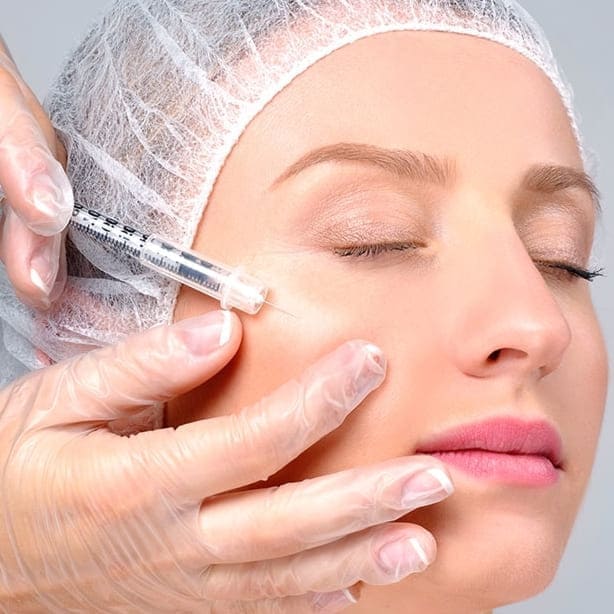

Botox is a non-surgical, injection-based aesthetic treatment that helps soften wrinkles on the forehead, between the eyebrows, and around the eyes by temporarily reducing facial muscle activity. In short, it is a rejuvenation method that reduces expression lines without compromising natural facial appearance.
Botox is not a weight-loss procedure and it does not “inflate” the face. The goal is not to freeze facial features, but to control expression lines and achieve a more rested, refreshed look.
Botox is most commonly used to reduce expression lines on the forehead, glabella (frown lines), and around the eyes (crow’s feet). It can also be applied to fine lines above the lip, nasal lines, neck bands, and the jawline. Masseter botox may help with teeth clenching (bruxism) and facial slimming, while sweating botox is an effective option for excessive underarm sweating.
During consultation, expression lines and muscle movements are assessed. The treatment areas and appropriate dosage are planned, and a personalized treatment map is created in line with the patient’s expectations.
A topical anesthetic cream may be applied. Botox is injected in small doses into targeted muscles using fine needles. The procedure takes about 10–20 minutes, and most patients can return to daily life the same day.
Botox typically starts working within 3–5 days and settles fully in 10–14 days. Results usually last 3–6 months. If needed, small dose adjustments can be made at a follow-up visit.
Botox temporarily reduces the signal from nerves to targeted muscles. As muscle movement softens, expression lines on the forehead, between the eyebrows, and around the eyes become less visible. The goal is a smoother look without an unnatural “frozen” expression.
Initial effects are usually seen within 3–5 days, and Botox typically settles fully in 10–14 days. The results generally last 3–6 months and may last longer with regular treatments.
Mild redness, bruising, or tenderness at injection sites can occur and typically resolves quickly. Rarely, temporary asymmetry or drooping of the brow may occur—this is why correct dosing by an experienced physician is important.
Botox reduces muscle movement to soften expression lines, while dermal fillers restore volume by filling areas with volume loss. The best option depends on the area and the type of line and is determined during consultation.
Pricing depends on the number of areas treated and the total units used, including plans such as “3-area botox.” Additional treatments like full-face, masseter, or sweating botox can also affect the total cost. The most accurate pricing is provided after a personalized evaluation.

